Large infrastructure objects are extremely complex entities made from multiple individual structures and components that change in performance and behaviour over time, often due to external influence. From airports to underground sewerage systems, our infrastructure facilitates the modern world we live in, monitoring systems have a key role in keeping them operational, efficient and safe on a daily basis.
Deformation monitoring provides real-time information about movements, allowing a data-driven approach to decisions to help extend the useable life of structures, maintain their functional efficiency, ensure protection to users, and contribute to cost reductions in operation and maintenance.
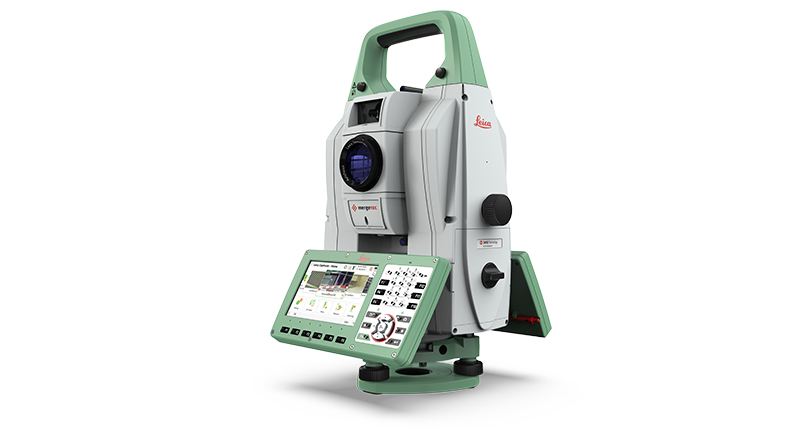
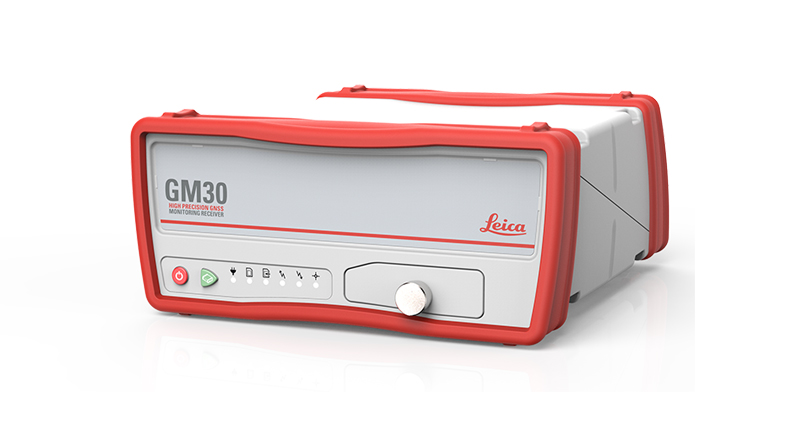
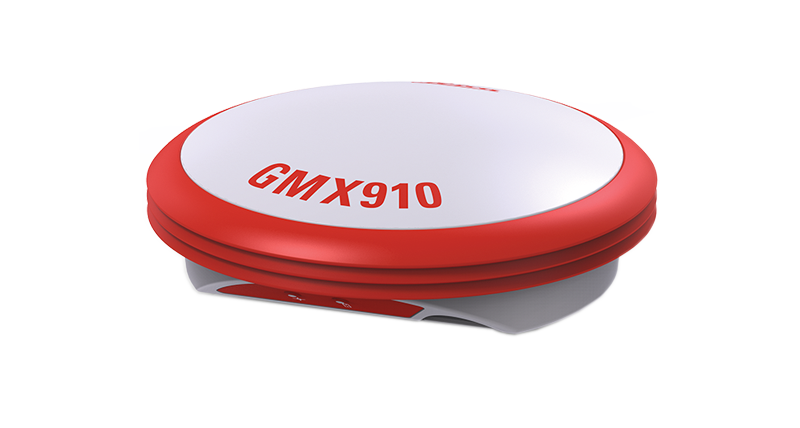
Total Monitoring combines data from geodetic monitoring sensors (total stations, GNSS or levels) with geotechnical and environmental sensors (tilt sensors, strain gauges, inclinometers/IPI, piezometers, weather stations, etc.)
and interferometric radar. It provides the complete picture about events occurring, aiding a greater understanding of instability and movements.
Why is monitoring required for large infrastructure:
- During construction accurately monitoring the real-time position and verticality of large structural elements enables the engineering teams to optimise designs and construct safely and efficiently as possible. Construction teams become empowered to adjust processes or re-engineer design’s structure, based on tolerances seen using live deformation data. Real-time deformation monitoring at construction enables the completion of activities, working smarter to minimise risk or delay to the infrastructure.
- Natural hazard impact from events such as earthquakes or storms may significantly affect or damage the infrastructure, creating a severe safety or operational risk. Therefore, an automated early warning system is essential to provide information about how natural hazards deform the monitored structure. This is critical to mitigate the risks from such hazards and take early corrective actions.
- During maintenance and renovation to maintain the structure’s performance and to prolong its useable life, elements of the structure may be replaced or repaired. These can introduce different stresses and strains, increasing risks of failure or causing movements which need to be monitored and assessed.
- Monitor the long-term structural health of an existing infrastructure which is susceptible to changes over time. Engineers need data to assess structural integrity over time and detect faults. Unmonitored critical items can cause catastrophic failures if unchecked. Next-generation structures can be redesigned, based on monitoring data, assessing the real performance of structures in use over time. Structures degrade as they age, and monitoring enables them to perform within limits without overstressing which could lead to safety concerns or expensive maintenance requirements if not detected.
This video presents typical generic examples of monitoring installations on a large infrastructure, yet every monitoring project requires its own specifically assessed and designed monitoring system thus specialists should be consulted before any installation. Our monitoring experts will be pleased to find the right solution for your infrastructure.


.jpg?sc_lang=nl-be&hash=3E8603D3743EEF0A68A45FC62CA7887B)